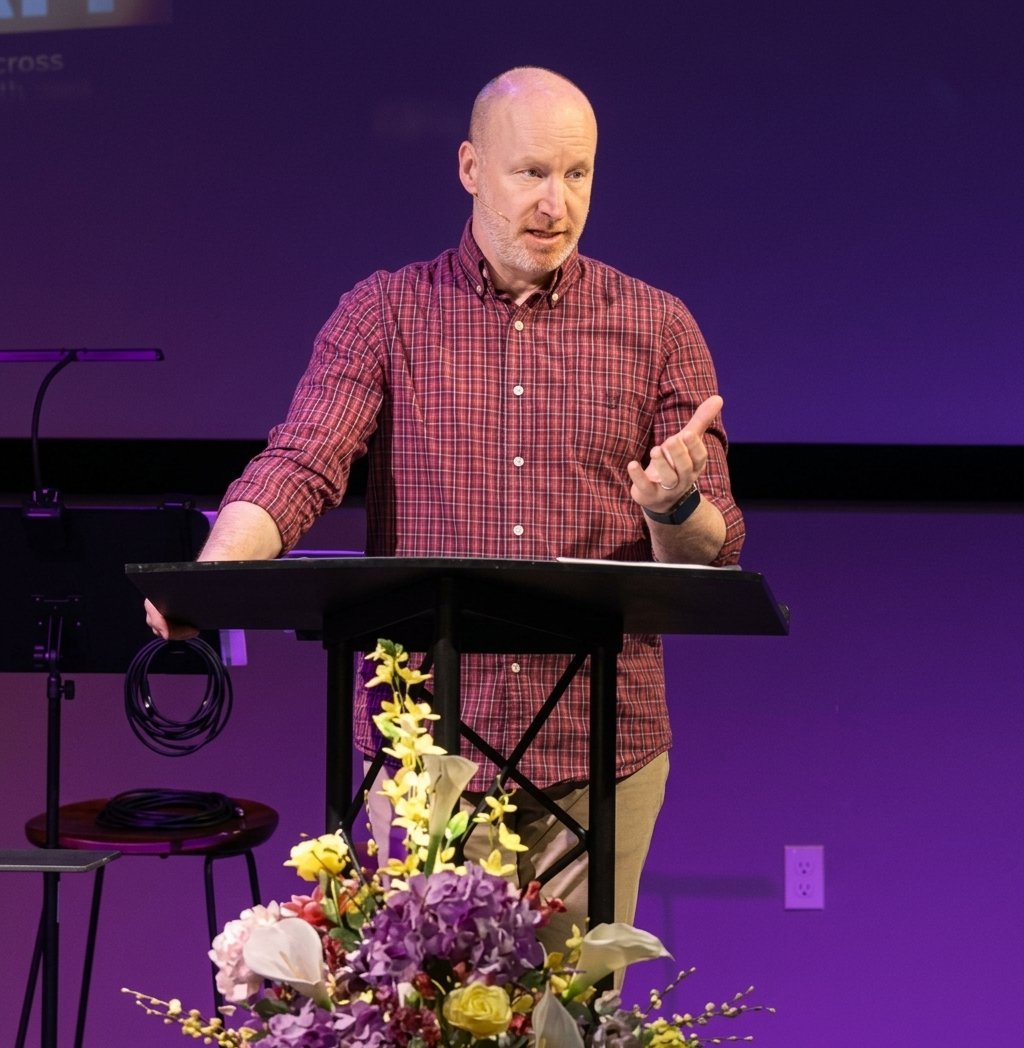
A groups ministry from zero
There was no small groups ministry when I arrived. I set the strategy, recruited and trained the first leaders, and built the launch, health-check, and multiplication rhythm the ministry still runs on.
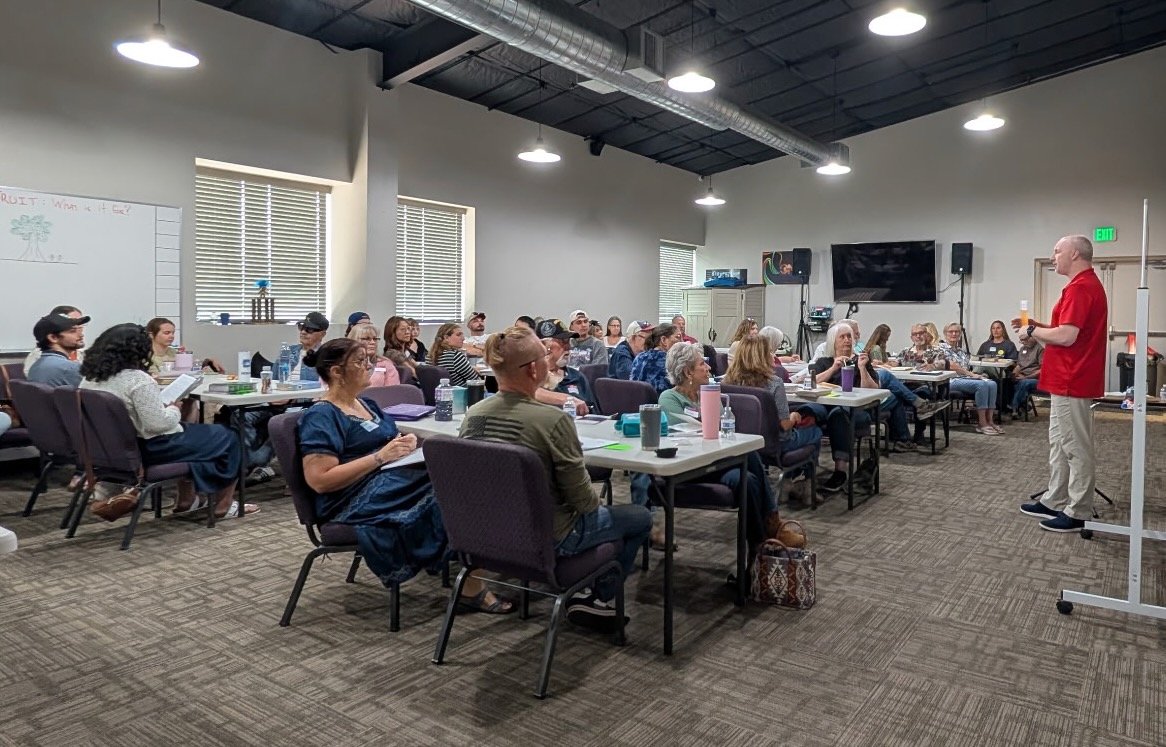
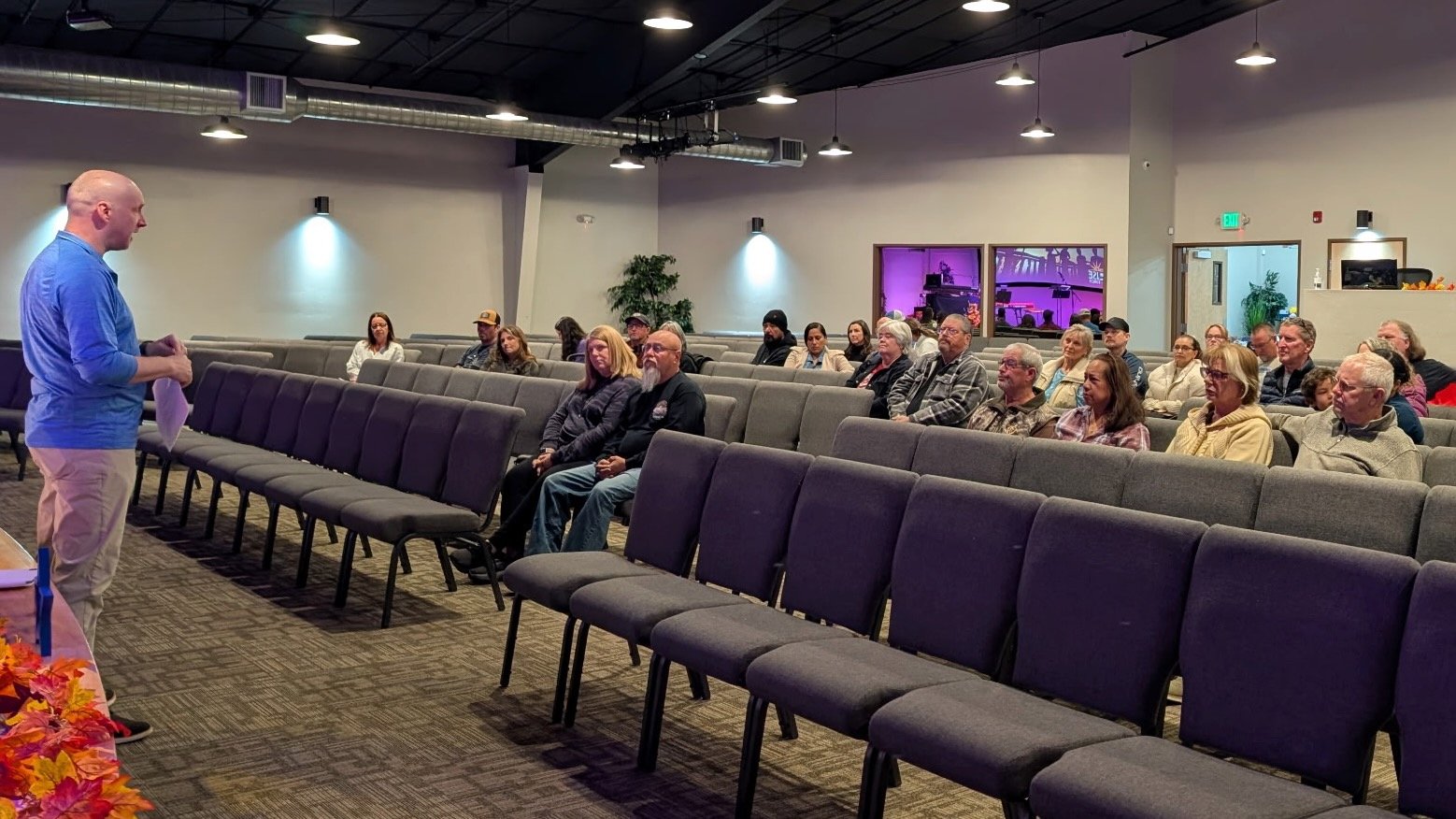
A pathway, a leader pipeline, and a curriculum I wrote and taught myself — in a church of 550–650 that had none of the three.
A ministry produces what its system is designed to produce, nothing more. You want a disciple-making culture rather than a program calendar, and you’ve probably watched a groups push stall once the launch energy ran out. What makes it last is a leader pipeline, and a pipeline is a system. Building systems is the thing I did for twenty years before I did it here.
The situation I inherited, what I built, and what changed. Written the way I would brief a board.
There was no small groups ministry when I arrived. I set the strategy, recruited and trained the first leaders, and built the launch, health-check, and multiplication rhythm the ministry still runs on.
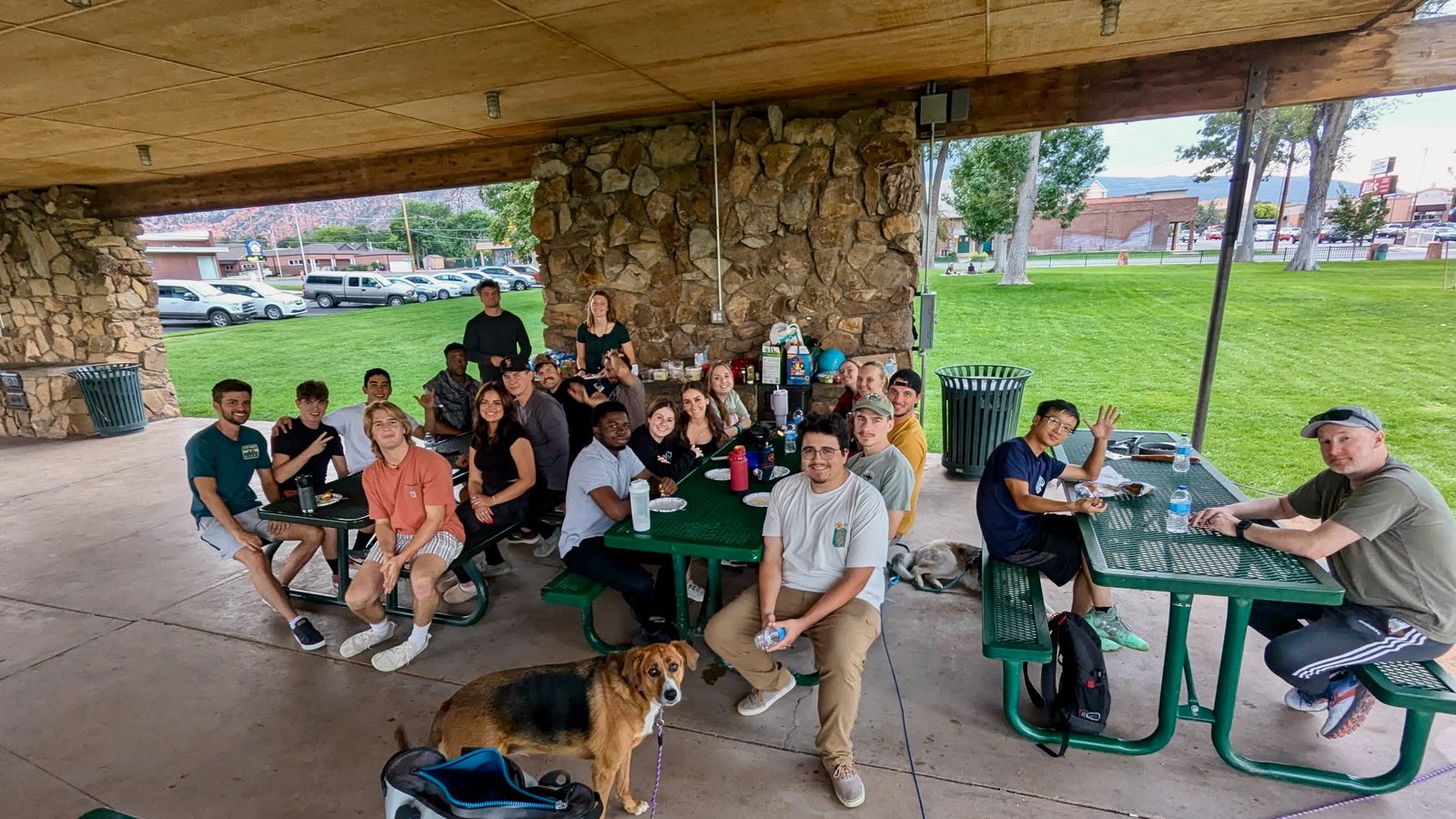
I recruited, trained, and coached group leaders through conflict, attrition, and the awkward work of handing a group away. The measure I care about is not how many groups ran — it is how many leaders went on to train someone else.
I led the Young Adults ministry from a few lonely people, built it into a community with its own leadership, and then handed it over. Starting something is the easy half; making yourself unnecessary is the half that counts.
I haven’t seen your church so these are questions, not proposed changes. They’re the ones I’d want answered before proposing anything.
He trained me to lead a group, and then he made me train someone else. That is the whole thing.
A group leader I trainedI wrote and taught EQUIP, a church-wide series on anxiety, deception, faithfulness, and grief. It's the clearest picture of how I teach adults who didn’t come for a lecture.
References with names and titles, the full discipleship resume, and the pathway I built are one email away.